
Bass Fishing on Île d’Oléron – Exploring France’s Wild Atlantic Coast for Seabass

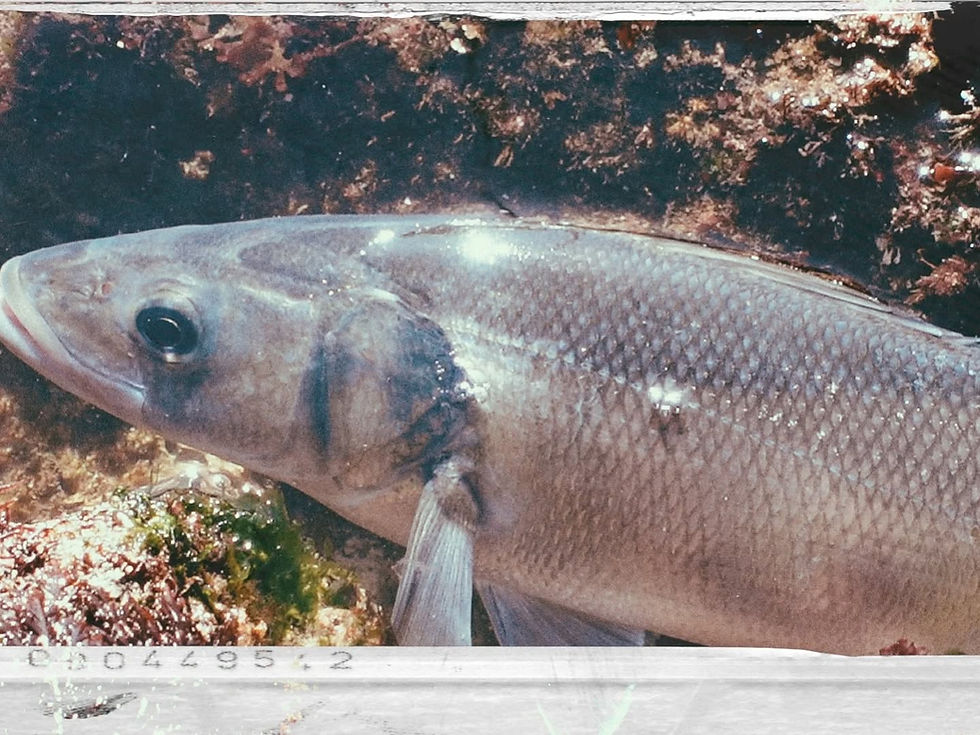
There is something special about arriving at a completely new coastline with nothing but a few marked spots on Google Maps, a car full of fishing gear and the hope of finding bass.
After moving away from Brighton and the English Channel, I had been seriously missing the sea. So after months away from saltwater fishing, I packed the car and headed towards the Atlantic coast for a multi-day bass fishing explore on Île d’Oléron, one of the most famous islands on the French west coast.
What followed was three days of reef fishing, topwater explosions, clear Atlantic surf, rugged structure and some unforgettable bass fishing
What Is Île d’Oléron?
Île d’Oléron is a large island on France’s Atlantic coast, known for its reefs, oyster beds, surf beaches and excellent European seabass fishing opportunities.
Located on the west coast of France, Île d’Oléron is roughly three hours from central France and connected to the mainland via bridge. The island offers an incredible variety of bass fishing terrain:
shallow reef systems
surf beaches
tidal basins
oyster beds
rocky points
current lines and drains

Why I Chose Île d’Oléron for Bass Fishing
Since relocating to inland France, I wanted the quickest possible route back to saltwater and seabass fishing.
After researching spots online and studying satellite imagery for days, I settled on the northern part of the island near Pointe de Chassiron, a famous rocky point crowned by a lighthouse and surrounded by reef structure.
The area immediately stood out because of its:
ancient fish trap structures
broken reef terrain
tidal pools
clear Atlantic water
white water and surf zones

Everything about it screamed bass territory.
Fishing Pointe de Chassiron
My first session started only minutes from the campsite.
The conditions looked incredible. Choppy water, clear visibility and plenty of white water pushing over the reef. Compared to Brighton, where even a slight chop often turns the water brown, the clarity here was a dream.
At first, I focused on the deeper water using:
15g weedless soft plastics
paddle tails
sand eel imitations
surf presentations through white water

Why Falling Tide Reef Fishing Was the Key
As the sea retreated, more and more reef structure appeared.
This completely changed the spot.
Suddenly there were:
shallow basins
current seams
draining gullies
isolated weed beds
calm back bays
Instead of remaining static, I followed the tide outward, step by step, fishing newly exposed structure as it appeared.
That turned out to be the key pattern of the trip.
Weedless Soft Plastics for Reef Bass Fishing
One thing became immediately obvious on Île d’Oléron:
Weedless lure setups were absolutely essential.
The reef terrain was brutal. Rocks, weed and oysters everywhere.
Most of the successful fishing came using:
weedless paddle tails
weedless sand eel imitations
Texas-rigged soft plastics
weightless stick baits
The compact profile of tungsten setups helped massively when fishing shallow structure and current seams.
Using a lightweight weedless tungsten round jig head allowed the lure to stay subtle while still maintaining excellent control in the moving water.
The First Bass of the Trip
As darkness started approaching, I switched to a completely weightless soft plastic presentation rigged on one of the larger prototype Texas hooks currently being tested for FiTU.
The setup was simple:
white paddle-tail soft plastic
5/0 weedless Texas hook
completely weightless presentation
I worked the lure slowly through the draining basins and tidal currents along the reef.
About ten minutes later, just before sunset, everything stopped dead.
A brutal take.
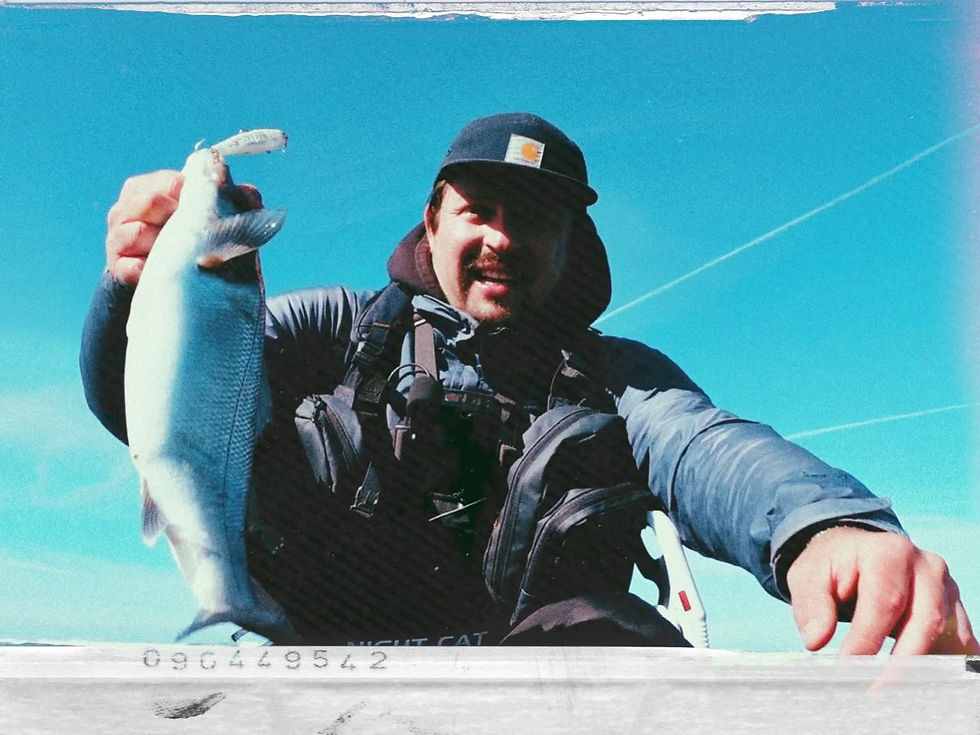
After an incredibly strong fight in shallow reef terrain, a beautiful bass of around 50 cm finally slid onto the rocks.
The hook hold was absolutely solid.
After hours of exploring a completely new area, finding a pattern and finally connecting with a proper fish, the reward felt incredible.
Topwater Bass Fishing in the Shallow Bays
One of the most exciting discoveries of the trip was how active the bass became in the shallow tidal bays during lower water.
As the tide dropped, calm pockets formed behind the reef structure.
These areas produced:
baitfish activity
small surface disturbances
calm water surrounded by moving surf
Using small topwater lures in these pools immediately produced action from smaller school bass.
Even though they were not large fish, getting surface takes on a completely new piece of coastline during the very first evening was an incredible confidence boost.

Exploring the East Coast of Île d’Oléron
The second day focused heavily on exploring more of the island.
I travelled further down the east coast, checking marinas, reefs, oyster beds and tidal structures while also visiting local tackle shops to gather information about productive bass areas.
One thing that stood out immediately was how varied the island is.
Within short driving distances you can fish:
shallow reef systems
protected bays
oyster beds
open surf
marinas
tidal channels
For mobile lure anglers, Île d’Oléron offers endless exploration opportunities.
Oyster Beds, Surf and Current Lines
Some of the most promising areas were large oyster structures surrounded by deeper water and moving tide.
The combination of:
churned-up but clear water
strong tidal movement
reef structure
white water
deeper channels nearby
looked absolutely perfect for bass.
Again, most of the fishing revolved around:
weedless soft plastics
shallow presentations
topwater fishing
working current seams and draining pools
Even when fish were not feeding, the spots constantly felt like they could produce at any moment.
West Coast Surf Fishing
On the final day, strong wind forced a move to the west side of the island.
Interestingly, simply moving around the island completely changed the conditions.
The west coast suddenly offered:
cleaner surf
calmer wind
fishable white water
draining pools
This final move turned out to be the perfect decision.
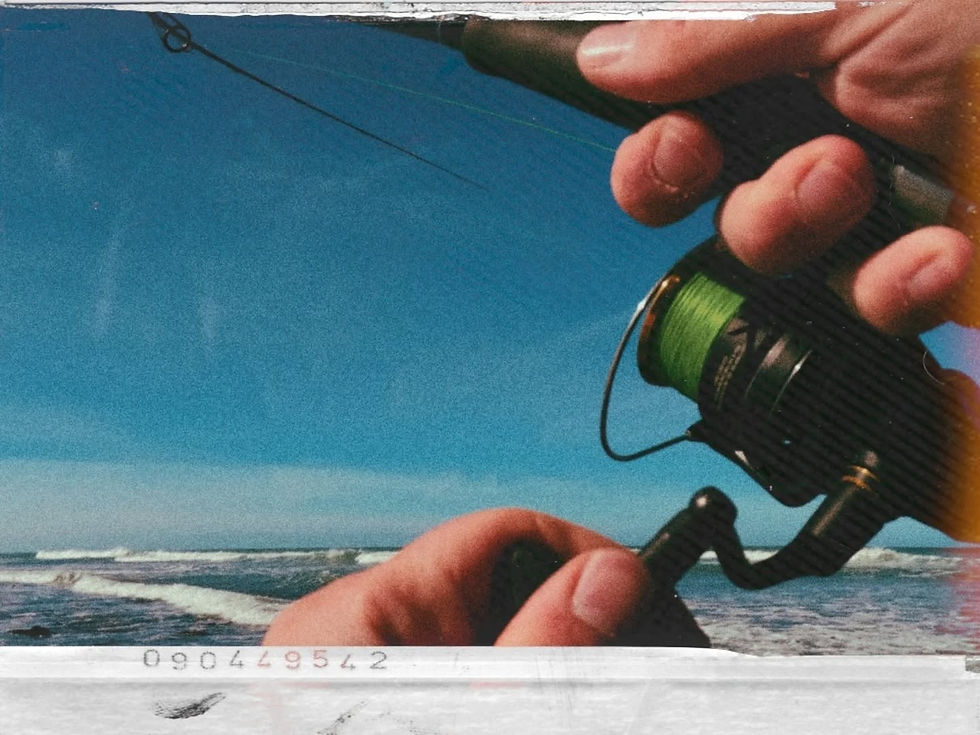
After initially fishing shallow pools and reef edges without success, I switched to a Japanese stickbait and started casting directly into the surf.
The reaction was immediate.
The final session produced:
two beautiful spotted bass
one more bass around 50 cm
An unforgettable finish to the trip.


Why Île d’Oléron Is Perfect for Lure Fishing
After several days exploring the island, one thing became very clear:
Île d’Oléron is an exceptional destination for shore-based bass fishing.
The island combines:
huge amounts of accessible structure
clear Atlantic water
strong tidal movement
endless reef systems
shallow feeding areas
excellent lure fishing potential
For anglers who enjoy exploring and mobile fishing, it is one of the most exciting bass fishing locations on the French Atlantic coast.
Best Lure Setups for Reef Bass Fishing
Weedless Soft Plastics
Ideal for:
reef terrain
oyster beds
shallow structure
current seams
Weightless Texas Rigs
Perfect for:
draining basins
calm tidal pools
shallow water bass
Topwater Lures
Best during:
low light conditions
calm tidal bays
feeding activity near weed beds
Tungsten Weedless Jig Heads
Excellent for:
maintaining lure control
increased sensitivity
fishing compact presentations in moving water
FAQ – Bass Fishing on Île d’Oléron
Is Île d’Oléron good for bass fishing?
Yes. The island offers outstanding shore fishing opportunities for European seabass thanks to its reefs, oyster beds, surf beaches and strong tidal movement.
What type of lures work best on Île d’Oléron?
Weedless soft plastics, topwater lures and weightless Texas-rigged soft baits work particularly well around the island’s reef systems and shallow structure. Add some heavy metals and far casting stickbaits to your arsenal for the beach and surf fishing and you are set!
Is weedless fishing important on Île d’Oléron?
Absolutely. Much of the terrain consists of reef, oysters and weed-covered structure, making weedless rigs extremely effective.
When is the best time to fish the reefs?
The most productive periods during this trip were around the dropping tide, especially when new structure, basins and current seams became exposed.
Are topwater lures effective for seabass on Île d’Oléron?
Yes. Calm tidal bays and shallow reef pools produced several aggressive surface strikes during low-light conditions.
Final Thoughts
Some fishing trips are purely about numbers.
Others are about exploration.
Île d’Oléron felt like a true exploration trip — learning new water, adapting to tides, discovering structure and slowly piecing together a pattern over several days.
And honestly, that first proper bass landed just before sunset on the reef at Pointe de Chassiron made the entire trip worth it.


Comments